
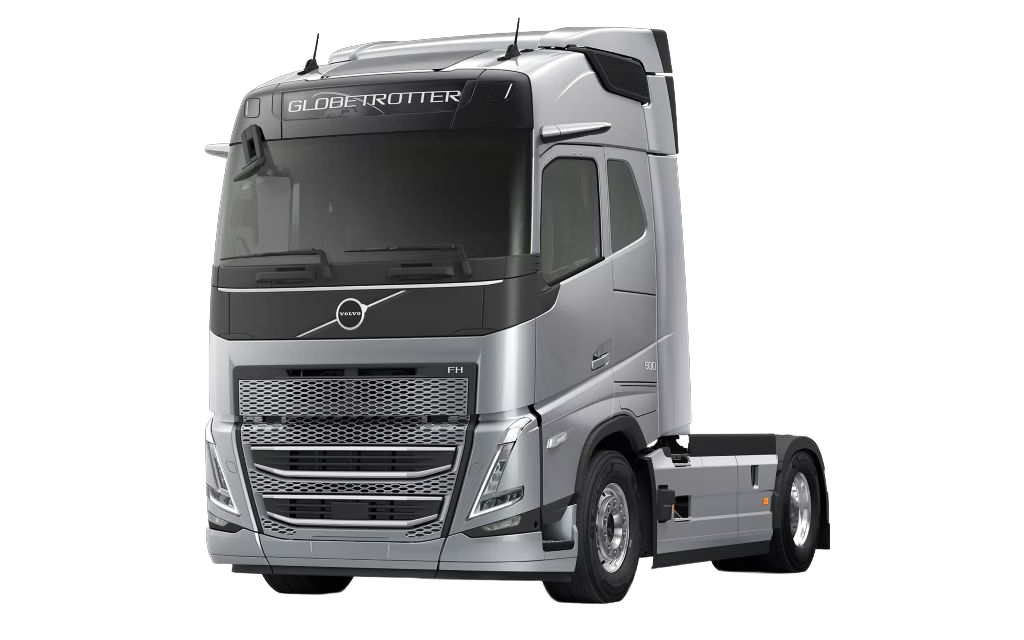
In 2019, Mercedes-Benz became the first major OEM to replace conventional side mirrors with a digital camera-monitor system on its heavy-duty Actros. Called MirrorCam, the system eliminates physical mirror heads in favor of roof-mounted cameras and interior A-pillar displays. For an industry that has relied on glass and ABS housings for decades, this was more than a design change — it was a signal that truck visibility technology is entering a new phase.
But what does the shift toward digital mirrors mean for fleet operators, parts distributors, and the aftermarket? And in a world where screens are replacing mirrors, does the physical quality of a replacement mirror assembly still matter?
What MirrorCam Actually Changes
The MirrorCam system replaces the traditional dual-mirror assembly with two aerodynamic camera arms mounted high on the cab, feeding live video to two 15.2-inch portrait displays inside the cabin. At first glance, this looks like a simple swap of optics for electronics. In practice, it redefines how drivers interact with rear and side visibility.
Because the cameras sit higher and farther forward than conventional mirrors, they eliminate the large blind spot created by mirror housings at intersections and roundabouts. The displays present a split view — main field and wide-angle — but unlike glass, the image remains consistent regardless of driver head position. A driver glancing at the screen from an unusual angle sees the same frame as when sitting straight.
More significantly, the system adapts to context. When reversing, the display switches to a dedicated maneuvering view. When turning, the image rotates to track the trailer corner. Distance guidelines overlay the video feed, giving drivers measurable reference points instead of relying on spatial intuition. In poor weather, heated camera housings with hydrophobic coatings maintain clarity where traditional mirrors would fog or collect road spray.
There is also a fuel economy benefit. Removing the bulky mirror housings reduces aerodynamic drag, which Mercedes-Benz estimates cuts highway fuel consumption by approximately three percent. For long-haul fleets operating at thin margins, that figure is not trivial.
Why the Transition Will Not Happen Overnight
Despite these advantages, digital mirror systems remain rare outside premium OEM configurations. The reasons are practical.
Regulatory lag. While ECE R46 has been updated to permit camera-monitor systems, full regulatory harmonization across European markets — and certainly across global markets — is incomplete. Many countries still require physical mirrors as primary or backup visibility devices.
Cost structure. MirrorCam adds significant expense at the point of purchase. For fleet operators running older vehicles or purchasing used trucks, retrofitting a digital system is often economically unfeasible compared to replacing a damaged mirror assembly.
Aftermarket complexity. Camera systems require calibration, software integration, and specialized repair knowledge. A cracked mirror glass or a broken bracket in a traditional assembly can be replaced in minutes by any workshop. A failed camera module or display unit requires diagnostic equipment and manufacturer-specific parts — a very different service model.
Driver trust. Experienced drivers develop a reflexive relationship with physical mirrors. The slight head movement, the lean-and-check, the tactile feedback of adjusting a mirror arm — these habits are built over years. Screens, however advanced, introduce a cognitive translation step that some drivers resist.
The Overlooked Reality: Physical Mirrors Are Not Disappearing
For the foreseeable future, the global truck fleet will operate as a mixed environment. New premium tractors may ship with camera systems. The vast majority of vehicles on the road — including nearly every truck more than three years old — will continue to use physical mirrors. The aftermarket demand for replacement mirror assemblies, mirror glass, brackets, and heating elements will remain substantial for at least another decade.
This creates a dual reality for parts distributors and fleet maintenance companies. They must understand digital mirror technology to service modern vehicles. But they must also continue sourcing high-quality physical replacement mirrors for the existing fleet — which represents the overwhelming majority of vehicles in operation.
What This Means for Mirror Quality
If anything, the arrival of digital alternatives makes the quality of physical mirrors more important, not less. As camera systems set a new baseline for visibility performance, fleet operators and safety auditors will hold traditional mirrors to a higher standard. A replacement mirror that degrades optically, vibrates out of alignment, or fails to defog in cold weather is no longer merely inconvenient — it is a measurable safety gap compared to what digital systems can deliver.
The technical dimensions that determine mirror performance have not changed:
- Optical clarity. Glass flatness and reflective coating quality determine whether a driver can read traffic conditions at a glance or must spend extra cognitive effort interpreting a distorted image.
- Heating response. Uniform heat distribution across the glass surface, integrated into the manufacturing process rather than added as an aftermarket layer, maintains visibility in conditions where condensation would otherwise create blind spots.
- Convex curvature precision. The radius of curvature must match OE specifications. An incorrect curve distorts distance perception, leading to misjudged gaps during lane changes — precisely the problem digital systems are designed to eliminate.
- Mounting stability. Bracket geometry and material selection must withstand vibration and aerodynamic forces without gradual misalignment. A mirror that drifts out of position during a shift creates a growing blind spot that the driver may not notice until it is dangerous.
These are not cosmetic details. In a mixed fleet where some vehicles have camera systems and others have glass, the physical mirrors must perform to a standard that keeps the driver equally safe in either case.
The HOSTAR Perspective
At HOSTAR, we engineer replacement mirrors for European heavy-duty vehicles — Mercedes-Benz, Volvo, Scania, MAN, DAF, Iveco, Renault Trucks — with the understanding that every component is a safety-critical part. Whether a fleet is running the latest camera-equipped tractor or a ten-year-old workhorse, the replacement mirror must deliver reliable visibility, secure mounting, and durable construction.
Our manufacturing process is built around OE-fit specifications. Glass clarity, heating element integration, ABS housing dimensional stability, and bracket vibration resistance are validated against the operational profiles of European commercial vehicles. E-Mark R46 certification under approval E24*46R05/00*0493*00 confirms that our mirror assemblies meet the regulatory standards for indirect vision devices in the European market.
MirrorCam represents the future. Physical replacement mirrors represent the present — and they will remain the dominant reality in the aftermarket for years to come. The question is not whether digital systems will eventually replace glass. The question is whether the replacement mirrors installed today are good enough to keep drivers safe until that transition is complete.
Conclusion
The truck mirror is evolving from a passive optical device into an active electronic system. This evolution raises legitimate questions about the long-term role of physical mirrors in commercial vehicle design. But for distributors, fleet managers, and repair shops operating in the real world, the immediate priority is unchanged: specifying replacement mirrors that maintain visibility, withstand harsh operating conditions, and install correctly without compromise.
Technology changes. The need for reliable components does not.
All brand names, model names and OE numbers are used for reference only.